

Meal Prep

Meal Prep

The holidays are over – it's back to school, and with it comes the daily question: What's for dinner? If you have to leave the house early in the morning and there's little time to prepare meals during the day, then meal prep is the perfect and healthy solution for busy families. We explain exactly what this trend is all about, which ingredients are particularly suitable, and how to put together the right meals.

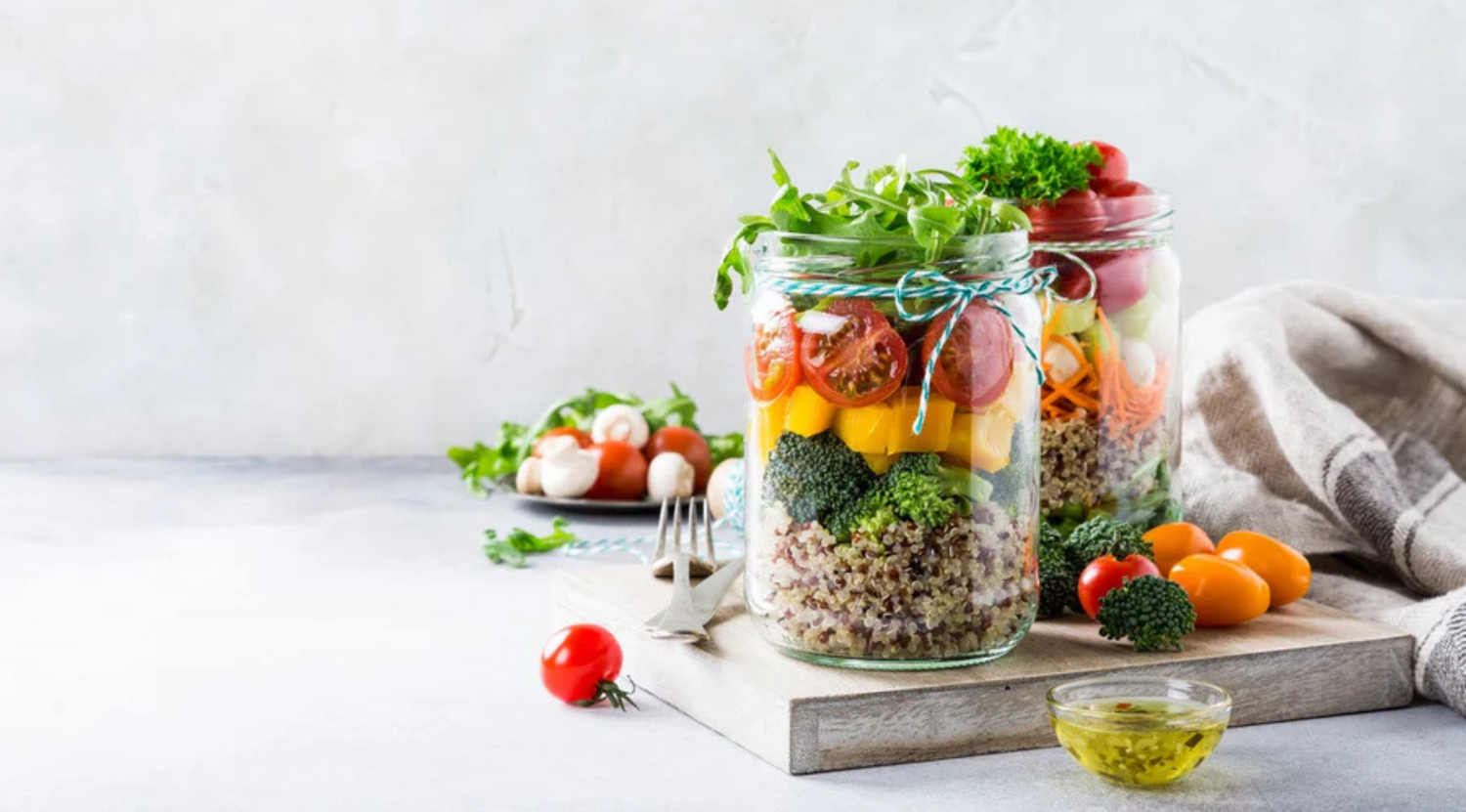
Meal prep is the modern way of cooking in advance.

What used to be known as cooking in advance is now called meal prep.
The term was popularized by the fitness community in the USA, who, by preparing their own meals, could precisely calculate which foods and nutrients they consumed and in what quantities. Today, homemade "food to go" in lunch boxes and mason jars is a real trend on social media – and a truly healthy alternative to the classic lunch in the cafeteria or canteen.

Meal prep is so easy – the most important tips

1. Planning:

The first step is deciding which dishes to include in the lunchbox over the next few days. Finding suitable meal prep recipes is the first step towards a delicious midday snack.

2. Shopping:

Buy groceries that fit your meal plan. If you like to snack between meals, you can also add nuts, dried fruit, or fresh fruit to your shopping cart.

3. Pre-cooking:

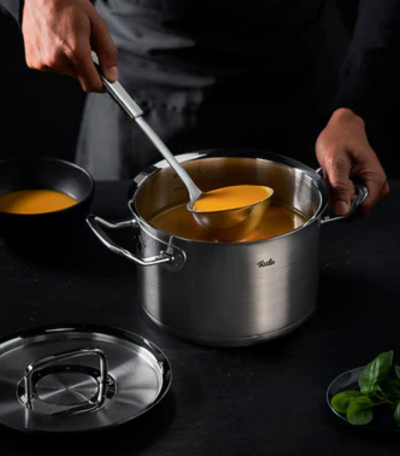
Vegetables are wonderful when boiled, steamed, or sautéed. They pair well with a variety of sauces or dips. Complement them with filling side dishes such as rice, quinoa, pasta, or potatoes. Good sources of protein include fish or meat, tofu, or legumes. These components can then be combined in different ways to create a healthy lunch or prepared as a soup or casserole.

4. Storage:

To ensure that the individual components retain their aromas, all components should be stored separately in sealable glass or plastic containers in the refrigerator.

5. Preparation:

The quickest meal prepping step by far can also be done in the morning before work: pack vegetables, dip, protein and starch component of your choice into a sealable container or a preserving jar – and the delicious meal for on the go is ready.

Advantages of Meal Prep

For those who want to eat healthily, meal prep makes it easy and cost-effective. No unwanted additives or flavor enhancers, no unnecessary fat, low-carb, vegetarian or vegan – the ingredients are chosen entirely according to individual needs and preferences.

Meal prep is therefore also ideal for weight loss or sticking to a strict diet plan, as portion sizes can be perfectly adjusted to actual needs. And even when cravings strike, a prepared lunchbox protects you from the fast-food trap.

Of course, it takes time to prepare meals. But those who cook in advance for several days save themselves additional shopping, cooking, and cleaning on the remaining days. And that's worthwhile – financially as well. Because those who only shop once a week usually spend much less money than those who make several small trips throughout the week. And leftovers? They won't end up in the trash anymore, but will be used for the next lunchbox.

Meal prep for children

For schoolchildren, a healthy packed lunch is the foundation for a successful school day. Those who eat a good breakfast and drink enough at school can perform better in class and concentrate more effectively. Providing a nutritious packed lunch that is not only healthy but also enjoyable and tasty for children is a daily challenge for many parents – but it can be easily prepared with a few simple tricks.

Healthy packed lunches

When preparing packed lunches, it's important to consider the individual preferences of the children. Because even at school, the saying holds true: What tastes good makes you strong!

  • Whole-grain bread or rolls provide the most energy. However, to add variety to children's daily meals, the types of bread offered should be varied.
  • Spread the bread thinly with butter, margarine, or cream cheese and top with low-fat sausage, cheese, or vegetarian spread. It tastes especially good if you place a lettuce leaf and slices of tomato or cucumber under the topping.
  • Cress, chives, parsley or basil give the sandwiches the right seasoning.
  • Fresh, seasonal fruits and vegetables, cut into bite-sized pieces, are a popular finger food for children and teenagers. Nuts and dried fruit occasionally add variety to their lunchboxes.
  • Sufficient fluids in the form of drinks such as water and unsweetened herbal and fruit teas should be available to quench thirst.

Packed lunch – delicious alternatives

To bring some variety and extra enjoyment into the everyday lives of little ones, there are delicious alternatives for preparing snacks:

  • Unsweetened muesli is a healthy option for those who dislike bread – together with unsweetened yogurt, quark or milk it makes a complete snack.
  • Healthy skewers not only add color to the lunchbox, they're also easy to prepare. Anything that's healthy and tasty is fair game. For example, cheese cubes with grapes or bell pepper pieces, cherry tomatoes with mozzarella balls, or, for a fruity twist, honeydew melon with raspberries.
  • Greetings from the Orient: Flatbread filled with raw vegetables such as grated carrots, kohlrabi sticks, diced tomatoes, sheep's cheese and yogurt dressing provides culinary variety during the school break.
  • Meatballs, chicken legs or a little potato salad – pre-cooked food can also be wonderfully included in the lunchbox as an alternative to the classic school sandwich.

Image 1: ©samael334/istock
Image 2: © Merinka/istock

More cooking tips from the Fissler guide