










Spargelwissen: Unterschiede zwischen weißem, grünem und violettem Spargel

Asparagus facts: Differences between white, green and purple asparagus

White, green & purple asparagus - differences & tips

In April, we can not only welcome the first warm rays of sunshine, but also one of the most delicious spring vegetables: fresh asparagus is finally back! Whether white, green, or purple – we explain how the different asparagus varieties differ.

Differences between white and green asparagus

At the vegetable counter, you usually have to make a decision: white or green asparagus? The most obvious difference between the two most common varieties is their color. This results from different cultivation methods.

White asparagus, also called blanched asparagus, grows underground. As soon as the tips break through the soil surface, the spears are harvested. Green asparagus, on the other hand, grows above ground and is exposed to direct sunlight. Because the sun's rays trigger photosynthesis, the plant pigment chlorophyll develops, giving it its green color.

Variety of types: Purple asparagus and wild asparagus

Besides the widely available white and green asparagus spears, there is also purple asparagus and wild asparagus.

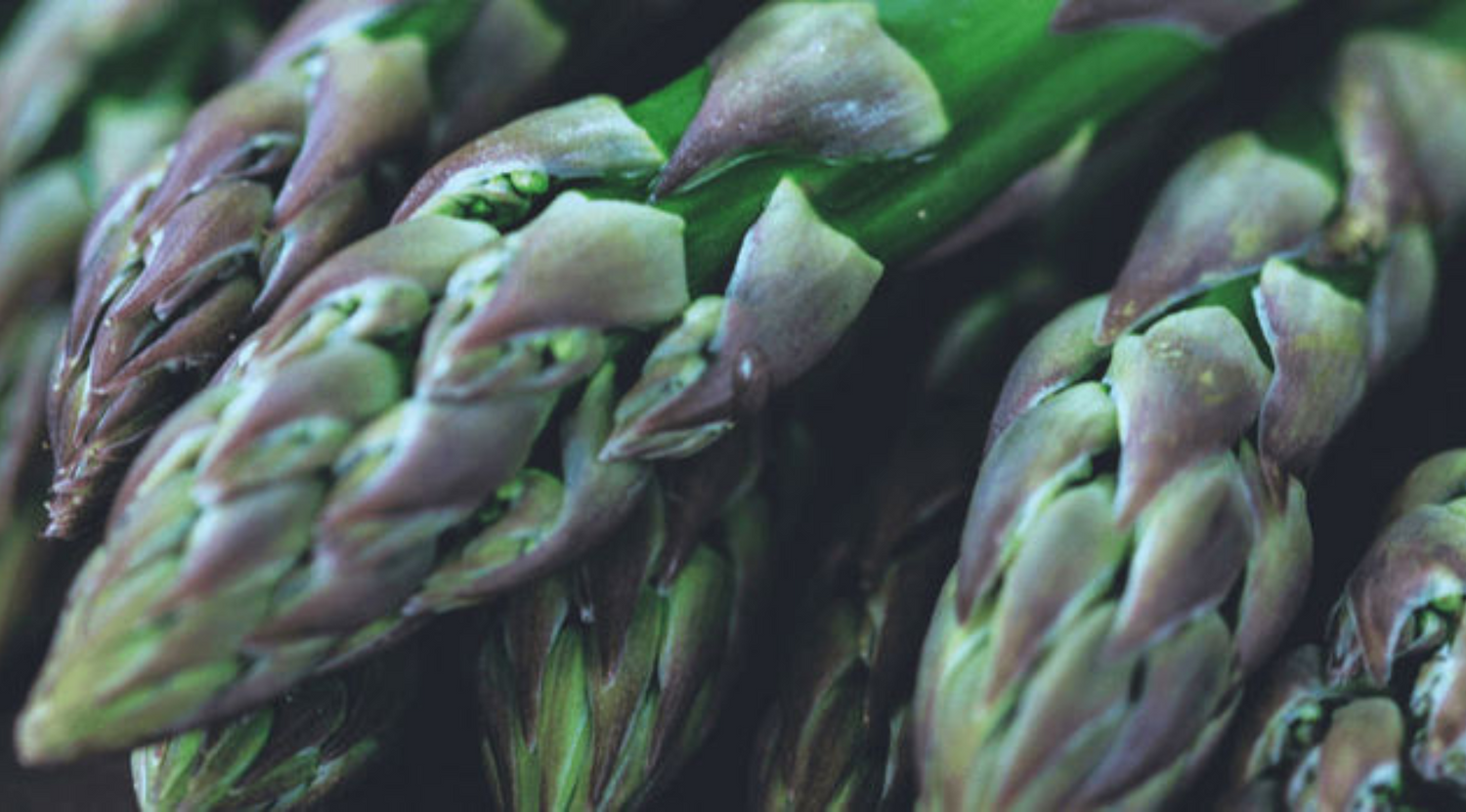
Purple asparagus is a variety of green asparagus and, like green asparagus, grows in sunlight without soil. Its intense color comes from the plant pigment anthocyanin. However, when cooked, the purple color turns dark green.

Furthermore, there is also white asparagus with purple tips. This occurs when the tips of white asparagus are exposed to sunlight for a short time shortly before harvesting. The tips then turn a decorative purple, while the stalk underground remains white.

When shopping at the weekly market, you might also come across "wild asparagus". This originates from the Mediterranean region. It has very thin stalks, a dark green-purple color, and many shoots.

Differences in taste: Mild or strong asparagus

White asparagus has a mild and delicate flavor. Bitter notes only become noticeable when it has grown in excessively cool or fluctuating weather conditions, or when it has been harvested too close to the rootstock. Asparagus with purple tips has a slightly nuttier flavor.

Green asparagus, on the other hand, has a stronger aroma and a firmer texture. It tastes spicy and savory. Even stronger flavors are found in purple asparagus and wild asparagus. The latter has a particularly bitter, nutty taste.

Can asparagus be eaten raw?

Asparagus can be prepared in many ways. This "king of vegetables" can not only be cooked in the classic way, but also tastes delicious grilled or baked. Those who don't feel like cooking can also eat white, green, and purple asparagus raw.

The typical asparagus aroma is not present in this case. Because it only develops during cooking, raw asparagus tastes different than usual. Its aroma is reminiscent of pea pods and has a sweet note. Thin, tender spears are particularly suitable for eating raw. They are less astringent and bitter than the thicker ones. Trying the raw version is definitely worthwhile, though; raw asparagus adds a special touch to salads.

How healthy is asparagus?

Asparagus is not only delicious, but also extremely healthy. Besides vitamins C, E and B vitamins, it is rich in fiber and has a diuretic effect due to its high potassium content.

Green asparagus contains additional vitamin A and, unlike white asparagus, a higher vitamin C content. Purple asparagus is also rich in many beneficial nutrients such as potassium, calcium, magnesium, and iron, as well as vitamins A, B, C, E, and H.

Because asparagus is also 90% water, it is a light, low-calorie side dish and a popular ingredient in spring and summer cuisine.

Have fun preparing and enjoying it!

Image 1: ©Muenz/istock
Image 2: ©Tuned_In/istock

Discover more cooking tips