Spargel zubereiten: Tipps, Tricks und vielfältige Zubereitungsmethoden

Preparing asparagus: tips, tricks and diverse preparation methods

Asparagus season, lasting just under three months each year, is over far too quickly. Fortunately, there are numerous ways to make the most of this delicious time. Boiling, frying, grilling, steaming, or baking: we'll show you how easy it is to prepare asparagus and how versatile it can be.

How many grams of asparagus per person?

If asparagus is the star of the dish, a rule of thumb is to allow about 500 grams per person. However, if it serves as an appetizer or a complementary side dish to meat or fish, about 250 grams per person is sufficient.

How to peel white and green asparagus – step by step

To fully enjoy its flavor, white asparagus must be peeled. It's especially important with white asparagus to thoroughly remove the fibrous, tough, and bitter skin. The following steps will make peeling a breeze:

  • First, the asparagus is washed and patted dry. This removes any remaining sand from the tips.
  • Asparagus should always be peeled immediately before preparation.
  • When peeling white asparagus, the peeler is placed about one centimeter below the head and guided along the stalk with light pressure until the cut edge.
  • Because the peel is usually harder and woodier in the lower third than below the head, the pressure on the peeler can be increased slightly here.
  • When peeling, take care that the delicate stalks do not break in your hand and that the peel is completely removed all around.
  • Finally, the lower, dry end of the stalk is cut off about two centimeters wide.

The skin of green asparagus is less fibrous and more delicate. Therefore, it can generally be eaten. If desired, the lower, white-tinged third of the stalk can be peeled.

From head to toe – reuse asparagus peelings

It's not just the peeled spears that offer culinary delight. The remaining peel and the trimmed ends can also be wonderfully reused in the kitchen. However, this requires organic asparagus. Boiled, the peelings form an aromatic base for asparagus soup, sauce, or stock. The asparagus spears can then be cooked in this stock, which brings out even more flavor in the vegetable.

cook asparagus

Boiled asparagus is a classic. But what should you keep in mind when cooking it?

  • After the asparagus spears have been peeled, they are placed in the pot to cook.
  • The least amount of water possible is used. If the spears are cooked lying down, they should ideally only be just covered by water. The smallest amount of water is needed when cooking them upright in a special asparagus pot.
  • For a flavorful result, add more than just salt to the cooking water. A pinch of sugar helps to soften any bitterness. A spoonful of butter further enhances the taste.
  • If needed, the individual asparagus spears can be bundled in portions before cooking. This makes them easier to remove from the pot. Cheesecloth is the gentlest method for the delicate vegetable. However, bundling does not affect the taste.

The correct cooking time for white and green asparagus

Depending on its thickness, white asparagus requires a cooking time of 15 to 20 minutes. Green asparagus cooks faster, requiring only 10 to 15 minutes.

There are two indicators to check if the asparagus is finally done. It is cooked when the spears either bend when taken out of the water or when you can easily pierce the lower third of the spear with a knife.

Tip: This is how to preserve the green or white color

Of course, presentation matters, and a vibrant white or green on the plate is a delight. A squeeze of lemon juice in the cooking water helps preserve the brilliant white color of white asparagus. For green asparagus, it helps to plunge the spears into ice water after cooking.

fry asparagus

Asparagus isn't just for boiling. It also makes delicious dishes when pan-fried, as frying brings out rich flavors. While green asparagus is more commonly fried, white asparagus is also well-suited for this method. Its sugar content creates caramelized flavors.

Simply place the finely chopped asparagus or whole spears in a sealed pan with a little oil. Cook over medium heat for about six to eight minutes for the chopped asparagus, and for 10 to 12 minutes for whole spears. Turn several times while cooking. Towards the end, toss in butter if desired, and then season.

Grilling asparagus

Asparagus season begins, so does grilling season. It's the perfect opportunity to grill asparagus. To prepare, brush the peeled green or white spears with a little oil and season with salt and pepper.

White asparagus is best blanched before grilling. This reduces its cooking time on the grill. If placed raw on the grill, it takes about half an hour to cook. Green asparagus, on the other hand, cooks much faster and is ready to eat after just 10 to 12 minutes.

An additional tip: To prevent the slender rods from slipping through the grill grate, it is recommended to either connect several rods with skewers or to use a grill-proof tray.

Steam asparagus

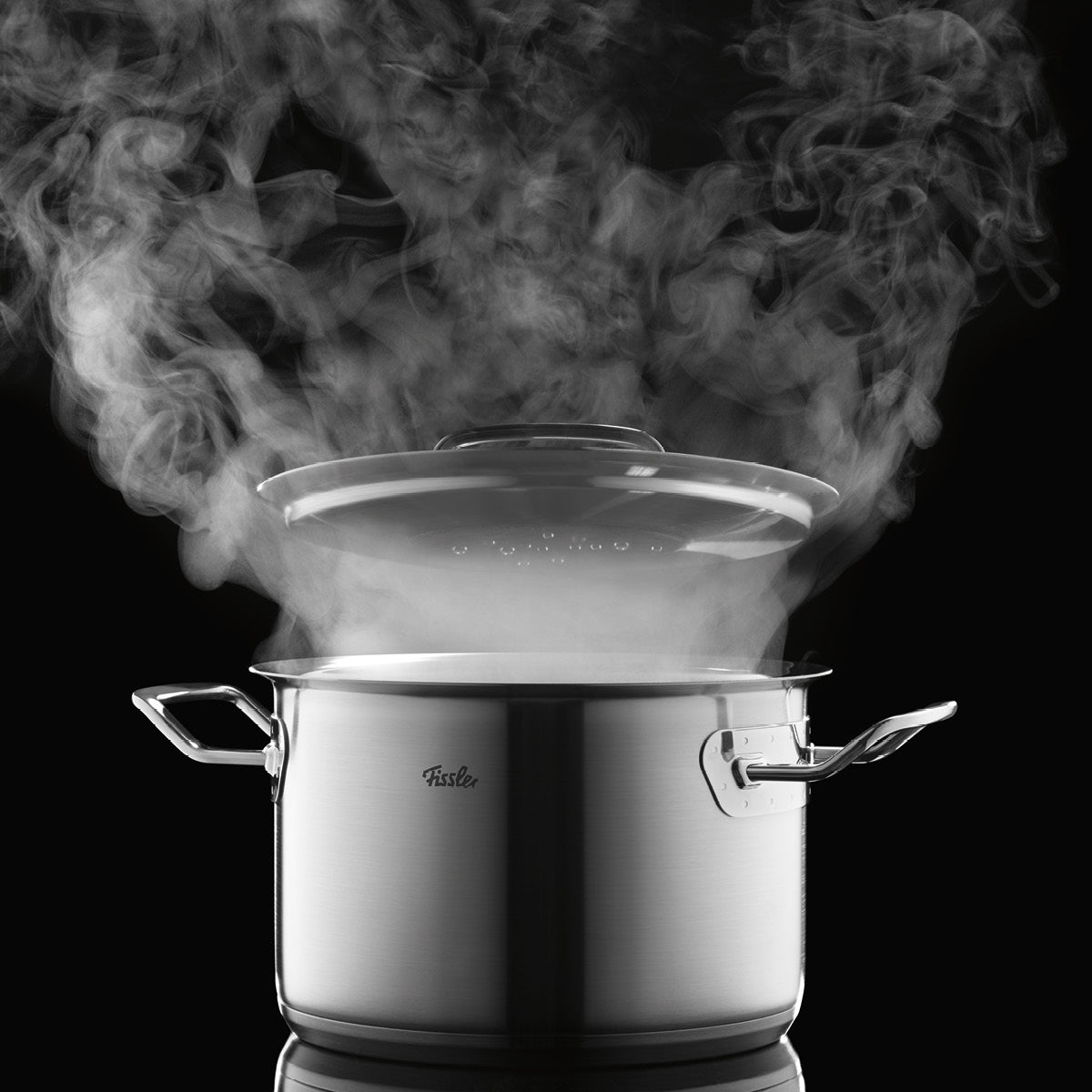
Steaming is a particularly gentle way to prepare asparagus. Cooking it in steam – instead of submerging it in water – preserves important aromas and nutrients. It's essential that the lid remains closed throughout the cooking time to keep the steam in the pot. The asparagus will be cooked after about half an hour. This method works well with either a pot with a steamer insert or a dedicated asparagus pot.

Asparagus from the oven

Oven cooking is also excellent – ​​especially for larger portions. For this method, place the asparagus in a deep baking tray. Then, just as when boiling in a pot, add water, salt, sugar, butter, and a squeeze of lemon juice. Finally, cover the tray. Bake at 200 degrees Celsius for about 40 minutes until tender.

Image 1: ©Lana_M/istock
Image 2: ©AnjelaGr/istock

Discover more cooking tips